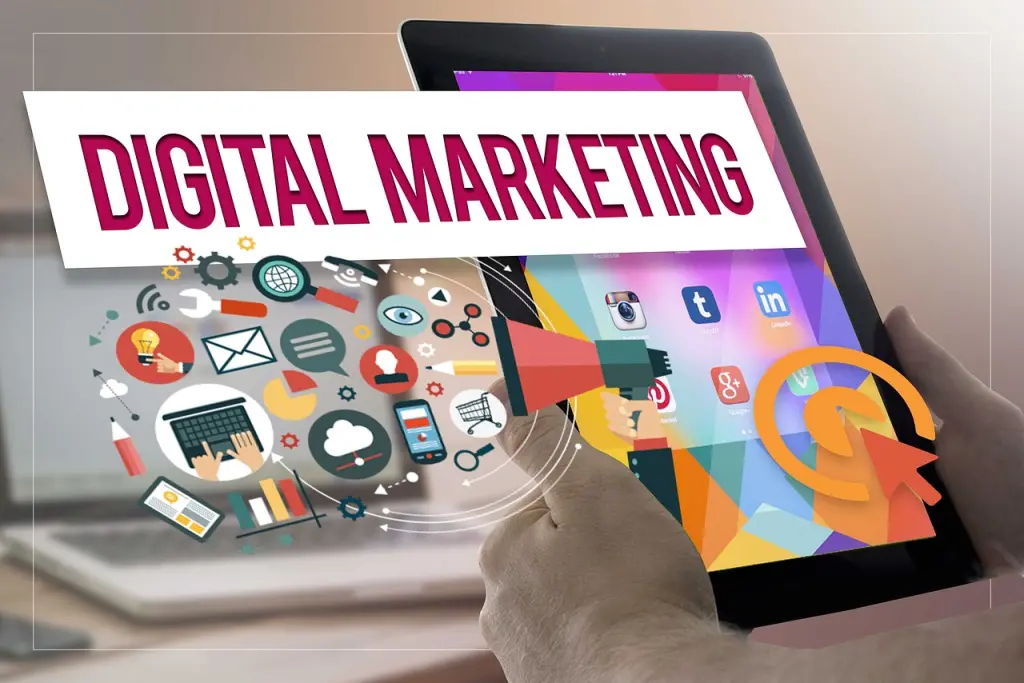
Complete Digital Marketing Guide for Beginners 2025: Master Online Marketing Strategies and Grow Your Business
Introduction to Digital Marketing
Digital marketing has transformed how businesses reach customers, replacing traditional advertising with targeted, measurable, and cost-effective online strategies. From small startups to Fortune 500 companies, organizations invest heavily in digital marketing to attract customers, build brand awareness, and drive revenue growth. Understanding digital marketing fundamentals empowers entrepreneurs, business owners, and marketing professionals to compete effectively in today's digital-first marketplace.
This comprehensive digital marketing guide covers essential strategies, tools, and techniques you need to build successful online marketing campaigns. Whether you're launching a new business, promoting products and services, or pursuing a career in marketing, mastering digital marketing provides invaluable skills that deliver tangible business results and open numerous career opportunities in one of the fastest-growing professional fields.
What is Digital Marketing and Why Does It Matter?
Digital marketing encompasses all marketing efforts using electronic devices and the internet. Businesses leverage digital channels including search engines, social media, email, websites, and mobile applications to connect with current and prospective customers. Unlike traditional marketing relying on billboards, print ads, and TV commercials, digital marketing enables precise targeting, real-time performance tracking, and continuous optimization based on data-driven insights.
Business Impact: Digital advertising spending exceeds $600 billion globally and continues growing as consumers spend increasing time online. Over 80% of consumers research products online before purchasing, making digital presence essential for business success. Companies investing in digital marketing see average returns of $2-$5 for every dollar spent, with email marketing delivering up to $42 return per dollar invested.
Career Opportunities: Digital marketing professionals earn competitive salaries ranging from fifty thousand to one hundred twenty thousand dollars annually depending on experience, specialization, and location. Demand for digital marketing skills spans every industry including e-commerce, technology, healthcare, finance, education, and retail. Specialized roles command premium compensation including SEO specialists, paid advertising managers, social media strategists, content marketing directors, and marketing automation experts.
Digital Marketing Channels: Successful strategies typically combine multiple channels including search engine optimization (SEO) for organic visibility, pay-per-click (PPC) advertising for immediate traffic, social media marketing for engagement and brand building, content marketing for authority and education, email marketing for nurturing and conversion, affiliate marketing for performance-based growth, and influencer marketing for reaching targeted audiences.
Search Engine Marketing (SEM) and PPC Advertising
Google Ads Fundamentals
Google Ads (formerly AdWords) represents the largest paid advertising platform, displaying ads in Google search results and across the Google Display Network reaching over 90% of internet users worldwide.
Campaign Types:
Search Campaigns: Text ads appearing above organic search results when users search specific keywords. These campaigns capture high-intent users actively seeking products or services, delivering excellent conversion rates but requiring careful keyword selection and bid management.
Display Campaigns: Visual banner ads appearing on millions of websites across Google's network. Display ads build brand awareness, retarget website visitors, and reach users browsing relevant content, though conversion rates typically trail search campaigns.
Shopping Campaigns: Product listings showing images, prices, and merchant names in search results. Essential for e-commerce businesses, shopping campaigns showcase products directly in search results, enabling users to compare options before clicking.
Video Campaigns: Ads appearing on YouTube and video partner sites. Video advertising reaches massive audiences with engaging visual content, supporting brand awareness, product demonstrations, and storytelling objectives.
App Campaigns: Promoting mobile applications across Google's properties. These automated campaigns drive app installations and engagement using machine learning to optimize ad delivery.
PPC Campaign Setup and Optimization
Keyword Research: Identifying profitable keywords balances search volume, competition, and commercial intent. Focus on long-tail keywords with specific intent, analyze competitor keywords, use negative keywords excluding irrelevant searches, and organize keywords into tightly themed ad groups.
Ad Copy Creation: Compelling ad copy includes target keywords in headlines, clear unique value propositions, strong calls-to-action, relevant ad extensions (site links, callouts, structured snippets), and mobile-optimized messaging. Test multiple ad variations identifying highest performers.
Landing Page Optimization: Ads should direct users to dedicated landing pages matching ad messaging, featuring clear headlines reinforcing ad promises, prominent calls-to-action, minimal distractions and navigation, fast loading speeds, mobile responsiveness, and trust signals like testimonials and guarantees.
Bid Management: Start with manual bidding understanding campaign economics, transition to automated bidding strategies (Target CPA, Target ROAS, Maximize Conversions) once sufficient data accumulates, adjust bids based on device, location, and time performance, and monitor Quality Score improving ad relevance and reducing costs.
Performance Tracking: Implement conversion tracking measuring valuable actions (purchases, signups, calls), analyze metrics including click-through rate (CTR), conversion rate, cost per acquisition (CPA), return on ad spend (ROAS), and regularly review search term reports adding negative keywords and identifying new opportunities.
Facebook and Instagram Advertising
Social media advertising offers precise targeting based on demographics, interests, behaviors, and custom audiences, making it powerful for reaching specific customer segments.
Facebook Ad Types:
Image Ads: Single images with compelling copy, ideal for simple messages and quick campaigns.
Video Ads: Engaging video content capturing attention in crowded feeds, perfect for storytelling and product demonstrations.
Carousel Ads: Multiple scrollable images or videos showcasing different products or features.
Collection Ads: Mobile-optimized format displaying product catalogs enabling seamless shopping experiences.
Lead Ads: Forms appearing directly in Facebook collecting contact information without requiring website visits.
Targeting Options: Facebook's targeting capabilities include demographic targeting (age, gender, location, language), interest targeting based on pages followed and content engaged, behavioral targeting including purchase history and device usage, custom audiences from email lists or website visitors, and lookalike audiences resembling existing customers.
Campaign Optimization: Successful Facebook advertising requires testing multiple ad creative variations, using eye-catching visuals and videos, writing concise compelling copy, including clear calls-to-action, implementing Facebook Pixel for conversion tracking and retargeting, starting with broad audiences then narrowing based on performance, and allocating budget toward highest-performing ad sets.
Content Marketing Strategy
Understanding Content Marketing
Content marketing creates and distributes valuable, relevant content attracting and engaging target audiences rather than explicitly promoting products. Quality content builds trust, establishes authority, improves search rankings, and nurtures prospects through the buyer's journey.
Content Types:
Blog Posts: Educational articles addressing customer questions, solving problems, and demonstrating expertise. Blogging improves SEO, drives organic traffic, and establishes thought leadership.
Videos: Engaging visual content including tutorials, product demonstrations, customer testimonials, and behind-the-scenes footage. Video content dominates social media engagement and improves website dwell time.
Infographics: Visual representations of data, processes, or concepts that are highly shareable and digestible. Infographics earn backlinks and social shares more effectively than text alone.
Podcasts: Audio content enabling multitasking consumption during commutes, workouts, or chores. Podcasts build intimate connections with audiences and position hosts as industry experts.
E-books and Whitepapers: Long-form content providing comprehensive information on specific topics. These assets generate leads through gated downloads requiring contact information.
Case Studies: Detailed success stories demonstrating how products or services solve real customer problems. Case studies provide social proof and address objection during consideration phases.
Webinars: Live or recorded online presentations educating audiences while showcasing expertise. Webinars generate qualified leads from engaged participants.
Content Creation Best Practices
Audience Research: Understand target audience demographics, interests, pain points, and content preferences. Create buyer personas representing ideal customers guiding content development.
Content Planning: Develop editorial calendars scheduling content production and publication, align content with business objectives and marketing goals, balance educational and promotional content, and coordinate content across multiple channels.
SEO Optimization: Research keywords identifying search terms audiences use, naturally incorporate keywords in titles, headers, and body content, optimize meta descriptions and title tags, include internal and external links, and use descriptive alt text for images.
Quality Standards: Prioritize comprehensive, well-researched content over superficial posts, cite credible sources and statistics, maintain consistent brand voice and tone, proofread eliminating grammar and spelling errors, and include visual elements breaking up text.
Distribution Strategy: Share content across social media channels, include in email newsletters, submit to content aggregators and communities, repurpose content into different formats (blog to video, webinar to blog series), and engage with audiences commenting on shared content.
Social Media Marketing
Platform Selection and Strategy
Different social platforms serve distinct audiences and purposes. Focus efforts on platforms where target audiences spend time rather than attempting presence everywhere.
Facebook: Largest social network with 3 billion monthly users spanning all demographics. Ideal for brand building, community engagement, customer service, and targeted advertising. Best for B2C businesses, local businesses, and companies with visual products.
Instagram: Visual platform popular with younger audiences (18-34). Perfect for lifestyle brands, fashion, food, travel, and businesses with strong visual identity. Features include feed posts, Stories, Reels, and Shopping.
LinkedIn: Professional network for B2B marketing, thought leadership, recruitment, and networking. Ideal for software companies, professional services, consultants, and enterprise sales.
Twitter/X: Real-time platform for news, trends, and conversations. Useful for customer service, brand monitoring, influencer engagement, and timely content sharing.
TikTok: Short-form video platform dominating younger audiences (Gen Z and Millennials). Opportunities for viral content, brand awareness, and reaching youth markets.
YouTube: Second-largest search engine and primary video platform. Essential for video content, tutorials, product demonstrations, and building authority.
Social Media Content Strategy
Content Mix: Follow the 80/20 rule with 80% educational, entertaining, or inspirational content and 20% promotional content. Overly promotional content drives audience disengagement.
Posting Frequency: Consistency matters more than volume. Establish sustainable posting schedules whether daily, several times weekly, or weekly. Use scheduling tools maintaining consistency.
Engagement Tactics: Respond promptly to comments and messages, ask questions encouraging audience participation, run contests and giveaways boosting engagement, share user-generated content, collaborate with influencers and complementary brands, and use hashtags strategically increasing discoverability.
Visual Best Practices: Use high-quality images and videos, maintain consistent visual branding (colors, filters, style), optimize image sizes for each platform, include captions on videos for silent viewing, and test different content formats identifying what resonates.
Analytics and Optimization: Track engagement metrics (likes, comments, shares), monitor follower growth and demographics, analyze post performance identifying top content, adjust strategy based on data insights, and test posting times optimizing for maximum reach.
Email Marketing
Building Email Lists
Email marketing delivers the highest ROI among digital marketing channels but requires building quality subscriber lists.
Lead Magnet Creation: Offer valuable incentives encouraging email signups including e-books, guides, templates, checklists, discount codes, free trials, exclusive content, webinar access, and resource libraries.
Opt-in Form Optimization: Place signup forms prominently on website (header, sidebar, footer, popup), keep forms simple requesting minimal information initially, clearly communicate value proposition and expectations, ensure mobile-friendly design, and test different form variations improving conversion rates.
List Segmentation: Divide email lists into segments based on demographics, purchase history, engagement levels, interests and preferences, and customer lifecycle stage. Segmentation enables targeted messaging increasing relevance and conversion.
Email Campaign Types
Welcome Series: Automated emails sent to new subscribers introducing brand, setting expectations, delivering promised lead magnets, and nurturing toward first purchase.
Newsletter: Regular emails sharing company news, industry insights, content highlights, and curated resources maintaining ongoing engagement.
Promotional Emails: Sales announcements, special offers, new product launches, and seasonal campaigns driving immediate action.
Abandoned Cart: Automated reminders to shoppers who added products but didn't complete purchase, often including incentives encouraging completion.
Re-engagement Campaigns: Targeted emails attempting to revive inactive subscribers before list cleaning.
Email Marketing Best Practices
Subject Lines: Keep under 50 characters for mobile visibility, create urgency or curiosity, personalize with subscriber names, avoid spam trigger words (free, guarantee, act now), and A/B test different approaches.
Email Design: Use responsive templates adapting to all devices, maintain clean layouts with clear hierarchy, include prominent calls-to-action as buttons, limit images ensuring text readability if images don't load, and stay on-brand with consistent colors and fonts.
Content Quality: Write conversationally avoiding corporate jargon, focus on benefits over features, keep paragraphs short and scannable, include single clear call-to-action per email, and proofread thoroughly.
Deliverability: Use reputable email service providers (Mailchimp, Constant Contact, ConvertKit), authenticate domain with SPF and DKIM records, avoid spam trigger words and excessive punctuation, make unsubscribing easy and honored, and regularly clean lists removing inactive subscribers.
Performance Metrics: Monitor open rates (industry average 15-25%), click-through rates (2-5% average), conversion rates, unsubscribe rates, and bounce rates, using insights to optimize future campaigns.
Influencer Marketing
Understanding Influencer Partnerships
Influencer marketing leverages individuals with engaged followings to promote products or services. Authentic influencer partnerships reach targeted audiences through trusted voices.
Influencer Types:
Mega-Influencers: Celebrities and public figures with millions of followers. High reach but expensive and often lower engagement rates.
Macro-Influencers: 100,000-1 million followers, often industry experts or content creators. Good reach with moderate engagement and reasonable costs.
Micro-Influencers: 10,000-100,000 followers with highly engaged niche audiences. Best ROI for many brands due to authentic connections and affordable partnerships.
Nano-Influencers: Under 10,000 followers but extremely high engagement within tight communities. Ideal for local businesses and niche products.
Influencer Campaign Strategy
Influencer Selection: Choose influencers whose audience matches your target demographics, verify engagement rates not just follower counts (3-6% considered good), review content quality and brand alignment, check for fake followers using analytics tools, and establish clear partnership terms and expectations.
Campaign Structure: Define clear objectives (awareness, engagement, conversions), provide creative freedom within brand guidelines, establish content requirements and approval processes, track performance using unique links or codes, and build long-term relationships beyond one-off posts.
Compensation Models: Paid partnerships with fixed fees, commission-based affiliate arrangements, product gifting for smaller influencers, hybrid models combining payment and commission, and long-term ambassador programs.
Marketing Analytics and Data Analysis
Key Marketing Metrics
Website Analytics: Track total visitors and unique visitors, page views and time on site, bounce rate and exit pages, traffic sources (organic, paid, social, direct, referral), conversion rate and goal completions, and customer acquisition cost.
Social Media Metrics: Monitor follower growth rate, engagement rate (likes, comments, shares per post), reach and impressions, click-through rate on shared links, and social referral traffic to website.
Email Marketing Metrics: Analyze open rates indicating subject line effectiveness, click-through rates showing content relevance, conversion rates measuring campaign success, unsubscribe rates signaling content issues, and list growth rate.
Advertising Metrics: Evaluate impressions and reach, click-through rate (CTR), cost per click (CPC), conversion rate, cost per acquisition (CPA), return on ad spend (ROAS), and quality score or relevance score.
Analytics Tools
Google Analytics: Free comprehensive web analytics tracking website traffic, user behavior, conversions, and attribution. Essential for understanding website performance and user journeys.
Google Search Console: Monitor organic search performance, keyword rankings, click-through rates, and technical SEO issues. Free tool providing valuable search visibility insights.
Social Media Analytics: Platform-native analytics (Facebook Insights, Instagram Insights, Twitter Analytics, LinkedIn Analytics) track social performance. Third-party tools like Hootsuite or Sprout Social consolidate multi-platform data.
Email Marketing Platforms: Built-in analytics within email service providers track campaign performance, subscriber behavior, and list growth.
Paid Advertising Platforms: Google Ads, Facebook Ads Manager, and other platforms provide detailed campaign performance data enabling optimization.
Data-Driven Optimization
A/B Testing: Test single variables (headlines, images, calls-to-action, email subject lines) keeping other elements constant, run tests long enough for statistical significance, implement winning variations, and continue testing for ongoing improvement.
Conversion Rate Optimization: Analyze user behavior identifying friction points, simplify forms and checkout processes, improve page loading speeds, enhance mobile experiences, and add trust signals and testimonials.
Attribution Modeling: Understand which marketing channels deserve credit for conversions, implement multi-touch attribution tracking entire customer journeys, allocate budget toward highest-performing channels, and recognize assist conversions not just last-click conversions.
Marketing Automation
Automation Benefits and Use Cases
Marketing automation software streamlines repetitive tasks, nurtures leads automatically, personalizes communications at scale, and provides detailed analytics.
Email Automation: Welcome series for new subscribers, abandoned cart recovery, post-purchase follow-ups, birthday and anniversary emails, re-engagement campaigns, and drip campaigns nurturing leads.
Lead Scoring: Automatically assign scores to leads based on behavior (email opens, website visits, content downloads), demographic fit, and engagement levels, routing high-scoring leads to sales teams.
Social Media Automation: Schedule posts in advance, automatically share new blog posts, monitor brand mentions, and engage with specific keywords or hashtags.
Advertising Automation: Dynamically adjust bids based on performance, automatically pause underperforming ads, create lookalike audiences from converters, and retarget website visitors across platforms.
Popular Marketing Automation Tools
HubSpot: All-in-one platform combining CRM, email marketing, social media, content management, and analytics. Free tier available with paid plans for advanced features.
Mailchimp: Email marketing platform with automation, landing pages, and basic CRM functionality. Affordable for small businesses.
ActiveCampaign: Advanced email automation with CRM integration and powerful segmentation capabilities.
Marketo: Enterprise marketing automation platform for large organizations with complex needs.
Pardot: B2B marketing automation from Salesforce integrating deeply with Salesforce CRM.
Digital Marketing Strategy Development
Creating Marketing Plans
Situation Analysis: Assess current marketing performance, analyze competitors and market trends, identify strengths, weaknesses, opportunities, and threats (SWOT), and define unique value propositions.
Goal Setting: Establish SMART goals (Specific, Measurable, Achievable, Relevant, Time-bound), align marketing objectives with business goals, set realistic timelines and benchmarks, and define key performance indicators (KPIs).
Audience Definition: Create detailed buyer personas, map customer journeys from awareness to purchase, identify pain points and motivations, and determine where audiences spend time online.
Channel Selection: Choose channels matching audience behavior and business objectives, allocate budget across channels strategically, focus resources on highest-potential channels, and maintain consistent brand presence.
Budget Allocation: Distribute budget across paid advertising, content creation, tools and software, outsourced services, and test budgets for experimentation reserving 10-20% for testing new channels.
Implementation Timeline: Create detailed calendars for content publication, campaign launches, seasonal promotions, and assign responsibilities with clear deadlines.
Measurement Framework: Establish baseline metrics, set tracking systems and dashboards, schedule regular performance reviews, and define success criteria.
Conclusion and Next Steps
Digital marketing empowers businesses to reach targeted audiences efficiently, measure results accurately, and optimize campaigns continuously for better performance. You've learned fundamental strategies across search marketing, social media, content marketing, email marketing, influencer partnerships, analytics, and automation.
Action Steps: Audit current marketing efforts identifying gaps and opportunities, prioritize 2-3 channels matching your audience and resources, create content calendar planning consistent execution, implement tracking and analytics measuring results, start small testing strategies before scaling, and continuously learn staying current with platform changes and emerging trends.
Digital marketing success requires patience, experimentation, and data-driven decision making. Start implementing these strategies today, measure results consistently, and refine approaches based on performance data. The digital marketing landscape evolves rapidly, making continuous learning essential for sustained success in this dynamic, rewarding field.