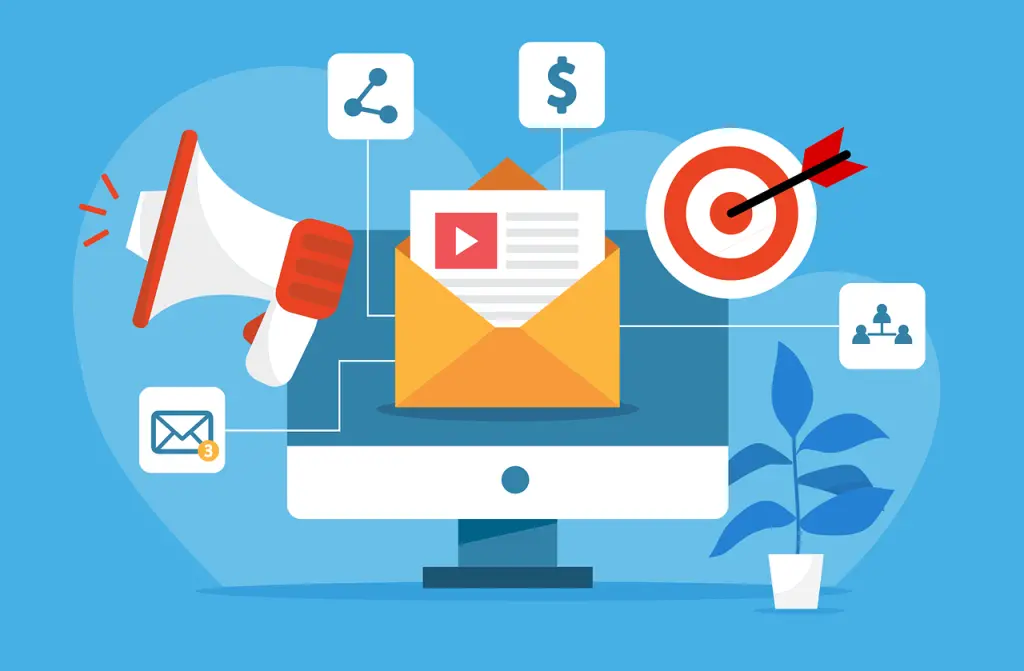
Complete Email Marketing Guide for Business Growth 2025: Build, Engage, and Convert Your Email List
Introduction to Email Marketing Strategy
Email marketing remains the highest-ROI digital marketing channel, delivering an average return of $42 for every dollar spent according to recent industry studies. Despite the rise of social media, messaging apps, and other communication channels, email continues providing businesses direct access to customers' inboxes, enabling personalized communication, relationship building, and revenue generation at scale.
This comprehensive email marketing guide covers everything from building subscriber lists and crafting compelling campaigns to automation strategies and performance optimization. Whether you're launching a new business, growing an existing company, or enhancing marketing capabilities, mastering email marketing provides sustainable competitive advantages through owned audience development, customer retention, and predictable revenue streams.
Why Email Marketing Matters for Business Success
Email marketing offers unique advantages unavailable through other marketing channels. Unlike social media where algorithms control content visibility, email delivers messages directly to subscribers who explicitly opted to receive communications. This permission-based relationship creates higher engagement rates, better conversion performance, and more predictable results compared to platforms where organic reach constantly declines.
ROI and Performance Metrics: Email marketing consistently outperforms other digital channels with average open rates ranging from 15-25% across industries, click-through rates of 2-5%, and conversion rates often exceeding paid advertising. For e-commerce businesses, email drives 20-30% of total revenue despite typically representing less than 5% of marketing budgets. These exceptional returns make email marketing essential for businesses maximizing limited marketing resources.
Business Benefits: Beyond direct revenue impact, email marketing builds customer relationships through consistent communication, nurtures prospects through educational content sequences, retains customers with targeted retention campaigns, gathers valuable feedback and insights, segments audiences for personalized messaging, and creates owned marketing assets independent of third-party platforms.
Email Marketing Applications: Businesses leverage email for e-commerce product promotions and abandoned cart recovery, content distribution driving website traffic, event registrations and webinar promotions, customer onboarding and education, loyalty program communications, transactional confirmations and shipping updates, survey distribution and feedback collection, and subscriber engagement maintaining brand awareness.
Building Quality Email Lists
Lead Generation Strategies
Successful email marketing begins with building quality subscriber lists of engaged prospects genuinely interested in your offerings.
Website Opt-in Forms: Strategic form placement maximizes subscription rates. High-performing locations include header or navigation bars maintaining visibility while scrolling, homepage hero sections capturing immediate attention, blog sidebars for content consumers, end-of-content sections targeting engaged readers, exit-intent popups triggering when visitors attempt leaving, and footer areas available on every page.
Lead Magnets and Content Offers: Valuable incentives encourage email signups by providing immediate value. Effective lead magnets include downloadable e-books and guides, exclusive templates and checklists, video training and tutorials, discount codes and special offers, free trials and product samples, webinar access and recordings, resource libraries and tool kits, and industry reports and research data.
Landing Page Optimization: Dedicated landing pages focused solely on capturing emails convert significantly better than general website pages. Effective landing pages feature compelling headlines clearly communicating value, concise benefit-focused copy, minimal distractions and navigation, prominent call-to-action buttons, social proof through testimonials or subscriber counts, mobile-responsive design, and fast loading speeds.
Content Upgrades: Offering content-specific bonuses related to blog posts or resources dramatically increases conversion rates. For example, a blog post about social media marketing might offer a downloadable content calendar template, while an SEO article could provide a comprehensive keyword research spreadsheet.
Email List Growth Tactics
Social Media Integration: Promote email signup across social platforms through pinned posts highlighting benefits, bio links directing to landing pages, Stories and posts featuring lead magnets, paid advertising targeting ideal subscribers, and exclusive social-only offers requiring email signup.
Webinars and Events: Virtual events naturally generate email signups through registration requirements, follow-up communication opportunities, exclusive attendee offers, and replay access requiring subscription.
Partnerships and Collaborations: Strategic partnerships expand reach through co-marketing campaigns with complementary businesses, guest content exchanges, joint webinars or promotions, and referral programs incentivizing sharing.
Offline to Online Integration: Physical businesses capture emails through in-store signup tablets or forms, receipt promotions with QR codes, event attendance collection, and product packaging including signup incentives.
List Hygiene and Compliance
Permission and Consent: Ethical and legal email marketing requires explicit opt-in consent, clear communication about email content and frequency, easy unsubscribe processes prominently displayed, and compliance with regulations including GDPR, CAN-SPAM, and CASL.
List Cleaning: Regular list maintenance removes inactive subscribers, corrects invalid email addresses, suppresses unsubscribed and bounced contacts, segments engaged versus unengaged subscribers, and implements re-engagement campaigns before removal.
Email Service Provider Selection
Popular Email Marketing Platforms
Mailchimp: Industry-leading platform offering free tier for up to 500 subscribers, user-friendly drag-and-drop builder, basic automation capabilities, comprehensive analytics, and extensive integration options. Pricing scales with subscriber count making it accessible for small businesses while supporting growing companies.
ConvertKit: Creator-focused platform emphasizing simplicity and automation, visual automation builders, subscriber tagging and segmentation, landing page creation, and transparent pricing based on subscribers. Popular among bloggers, content creators, and course creators.
ActiveCampaign: Advanced marketing automation platform combining email marketing with CRM functionality, sophisticated automation workflows, predictive sending and content, lead scoring capabilities, and powerful segmentation. Higher price point justified by comprehensive features.
HubSpot: All-in-one marketing platform including email, CRM, sales, and service tools. Free tier available with paid plans offering advanced features. Best for businesses seeking integrated marketing, sales, and customer service platform.
Constant Contact: Beginner-friendly platform with excellent customer support, extensive template library, event marketing tools, social media integration, and live chat support. Higher pricing than competitors but strong service reputation.
GetResponse: Comprehensive platform offering email marketing, automation, webinars, and landing pages. Competitive pricing with robust feature sets particularly strong in automation and webinar functionality.
Platform Selection Criteria
Deliverability Rates: Choose providers with strong sender reputations ensuring emails reach inboxes not spam folders. Research deliverability statistics and reputation monitoring capabilities.
Automation Capabilities: Evaluate automation sophistication including trigger options, conditional logic, wait steps, and workflow complexity matching business needs.
Integration Options: Verify compatibility with existing tools including website platforms, e-commerce systems, CRM software, analytics tools, and payment processors.
Pricing Structure: Compare pricing models (subscriber-based, email volume, feature tiers) ensuring affordability as lists grow. Consider costs of required features versus available on free or lower tiers.
Reporting and Analytics: Assess reporting depth including open rates, click rates, conversion tracking, A/B testing capabilities, subscriber behavior insights, and revenue attribution.
Support Quality: Evaluate support availability (chat, phone, email), response times, knowledge base quality, community forums, and educational resources.
Crafting High-Converting Email Campaigns
Email Copywriting Best Practices
Subject Lines: Subject lines determine whether recipients open emails, making them the single most important element. Effective subject lines keep length under 50 characters for mobile visibility, create curiosity or urgency, personalize with subscriber names or relevant details, clearly communicate value or benefit, avoid spam trigger words (free, guarantee, click here), and A/B test variations continuously.
Subject Line Examples:
- "Sarah, your exclusive 20% discount expires tonight"
- "The #1 mistake killing your conversions (and how to fix it)"
- "Your order shipped! Track it here"
- "Limited spots: Free masterclass tomorrow"
- "Is your website making this SEO mistake?"
Preview Text: Often overlooked, preview text appears alongside subject lines in inbox previews. Use this space complementing subject lines with additional context, benefits, or urgency rather than wasting it with "View this email in your browser."
Email Body Copy: Engaging email content starts strong with benefit-focused opening sentences, uses short scannable paragraphs, employs bullet points highlighting key information, includes compelling calls-to-action, maintains conversational tone, personalizes beyond just names, and always provides clear value.
Call-to-Action (CTA): Effective CTAs use action-oriented button text (Get Started, Download Now, Claim Discount), stand out visually through contrasting colors, appear multiple times in longer emails, create urgency when appropriate, and clearly communicate what happens after clicking.
Email Design and Layout
Responsive Design: With over 60% of emails opened on mobile devices, mobile optimization is mandatory not optional. Responsive templates adapt to screen sizes, use single-column layouts for simplicity, include touch-friendly button sizes (minimum 44x44 pixels), and test across devices and email clients.
Visual Hierarchy: Guide reader attention through clear hierarchy using prominent headlines, strategic whitespace, contrasting colors for important elements, visual dividers separating sections, and logical flow from introduction to call-to-action.
Image Usage: Images enhance emails but require careful implementation. Best practices include optimizing file sizes for fast loading, including descriptive alt text for accessibility and image-blocking scenarios, balancing images with text content, avoiding image-only emails, and testing rendering across email clients.
Brand Consistency: Maintain consistent branding through logo placement, color schemes matching brand guidelines, typography selections, voice and tone, and template consistency creating recognition.
Email Types and Campaign Strategies
Welcome Series: Automated sequences nurturing new subscribers typically include immediate welcome email thanking subscribers and delivering promised content, introduction email sharing brand story and values, educational content highlighting key resources, product or service showcase, and special offer encouraging first purchase.
Newsletter Campaigns: Regular newsletters maintain engagement through curated content roundups, company news and updates, exclusive subscriber content, industry insights and trends, customer spotlights and case studies, and upcoming events or promotions.
Promotional Campaigns: Sales-focused emails drive revenue through product launches and announcements, seasonal sales and special occasions, flash sales creating urgency, exclusive subscriber-only deals, bundle offers and packages, and last-chance reminders.
Transactional Emails: Often overlooked for marketing potential, transactional messages achieve highest open rates (80%+) and provide opportunities for upsells, cross-sells, and engagement. Examples include order confirmations, shipping notifications, password resets, account updates, and subscription confirmations.
Re-engagement Campaigns: Targeted sequences reactivating inactive subscribers through personalized subject lines acknowledging absence, special win-back offers, preference center updates allowing customization, feedback requests understanding inactivity, and clear unsubscribe options respecting choice.
Email Marketing Automation
Understanding Marketing Automation
Automation enables sending targeted emails triggered by subscriber actions, behaviors, or time intervals rather than manual campaign sends. This creates personalized experiences at scale, nurtures leads automatically, and generates revenue without constant hands-on management.
Essential Automation Workflows
Welcome Automation: Triggered immediately upon subscription, welcome series introduce brand, set expectations, deliver promised lead magnets, share valuable content, and encourage first purchase or engagement.
Abandoned Cart Recovery: E-commerce essential recovering 10-30% of abandoned purchases through reminders sent 1 hour after abandonment highlighting items left behind, second reminder at 24 hours potentially including incentive, and final reminder at 72 hours with stronger urgency or discount.
Browse Abandonment: Tracks visitors viewing products without purchasing, sending follow-up emails showcasing viewed items, related products, and testimonials encouraging purchase consideration.
Post-Purchase Sequences: Nurture customer relationships after purchase through order confirmation and shipping updates, usage tips and product education, review and feedback requests, complementary product recommendations, and loyalty program invitations.
Birthday and Anniversary: Celebration emails strengthen relationships through personalized birthday greetings with special offers, purchase anniversary recognitions, subscription anniversary celebrations, and milestone achievements.
Lead Nurturing: Educational sequences moving prospects toward purchase through problem awareness content, solution education, objection handling, social proof and testimonials, and purchase incentives.
Behavior-Based Triggers: Advanced automation responding to specific actions including link clicks indicating interest, content downloads showing engagement level, webinar registrations, form submissions, and pricing page visits signaling purchase intent.
Automation Best Practices
Strategic Planning: Map customer journeys identifying automation opportunities, define clear goals for each workflow, determine appropriate trigger points, plan email sequences and timing, and create content supporting automation objectives.
Personalization: Leverage automation for relevant messaging using subscriber names and details, dynamic content based on preferences or behavior, product recommendations from browsing history, location-based customization, and segment-specific content.
Testing and Optimization: Continuously improve automation through A/B testing subject lines and content, analyzing workflow performance metrics, adjusting timing between emails, refining triggers and conditions, and removing or modifying underperforming emails.
Email List Segmentation
Segmentation Strategies
Dividing email lists into targeted segments enables relevant messaging improving engagement and conversion rates dramatically.
Demographic Segmentation: Group subscribers by age, gender, location, income level, job title, industry, or company size tailoring content to specific audience characteristics.
Behavioral Segmentation: Categorize based on actions including purchase history, email engagement (opens, clicks), website activity, content downloads, product interests, and cart abandonment.
Psychographic Segmentation: Segment by interests and preferences, values and attitudes, lifestyle characteristics, pain points and challenges, and goals and aspirations.
Customer Lifecycle Stage: Differentiate messaging for subscribers (no purchase), new customers (first purchase), repeat customers, loyal customers (multiple purchases), and at-risk customers (declining engagement).
Engagement Level: Separate highly engaged subscribers (regular opens/clicks), moderately engaged, inactive (no recent engagement), and VIPs (highest value customers).
Implementing Effective Segmentation
Data Collection: Gather segmentation data through signup form fields, preference centers, purchase history, browsing behavior, email engagement metrics, and progressive profiling gradually collecting information.
Segment Creation: Most email platforms enable creating segments using demographic filters, behavior triggers, tag assignments, and custom field values with dynamic updating as subscriber data changes.
Targeted Messaging: Craft segment-specific content addressing unique needs, preferences, and characteristics. Personalized relevant emails consistently outperform generic broadcasts.
Email Marketing Metrics and Analytics
Key Performance Indicators
Open Rate: Percentage of recipients opening emails indicates subject line effectiveness, sender reputation, and overall list health. Industry average ranges 15-25% with higher rates for engaged segments.
Click-Through Rate (CTR): Percentage of recipients clicking links measures content relevance and call-to-action effectiveness. Average 2-5% across industries with top performers achieving 10%+.
Conversion Rate: Percentage completing desired actions (purchases, signups, downloads) represents ultimate campaign success. Directly ties email marketing to business objectives and revenue.
Bounce Rate: Percentage of emails failing delivery including hard bounces (permanent failures from invalid addresses) and soft bounces (temporary issues). High bounce rates damage sender reputation and deliverability.
Unsubscribe Rate: Percentage opting out after receiving email. Normal rate under 0.5% per campaign. Spikes indicate content issues, frequency problems, or list quality concerns.
List Growth Rate: Net new subscribers minus unsubscribes and bounces indicates list health. Positive growth essential for long-term success as all lists naturally decay over time.
Email Sharing/Forward Rate: Percentage sharing emails with others amplifies reach organically. Track sharing to identify highly viral content worth replicating.
Revenue Per Email: Total revenue generated divided by emails sent quantifies direct financial impact enabling ROI calculation.
Analytics and Reporting
Campaign Performance Analysis: Review individual campaign metrics identifying successful elements and improvement opportunities. Compare performance across campaigns finding patterns and trends.
Subscriber Engagement Tracking: Monitor individual subscriber activity including open frequency, click patterns, recent engagement, and purchase history enabling personalized targeting.
A/B Testing: Systematically test variables including subject lines, sender names, send times, email copy, images and design, call-to-action buttons, and email length. Implement winners and continue testing for ongoing optimization.
Funnel Analysis: Track subscriber progression through automation sequences identifying bottlenecks where engagement drops. Optimize underperforming steps improving overall sequence effectiveness.
Device and Client Analysis: Understand where subscribers read emails (mobile, desktop, specific clients) ensuring optimal rendering and design across platforms.
Email Deliverability Optimization
Understanding Email Deliverability
Deliverability measures percentage of sent emails reaching recipient inboxes rather than spam folders or bouncing entirely. Poor deliverability wastes email marketing investment and damages business outcomes.
Improving Sender Reputation
Domain Authentication: Implement SPF, DKIM, and DMARC records verifying email legitimacy. These technical configurations prove legitimate sender identity reducing spam classification.
Consistent Sending: Maintain regular sending schedules avoiding dramatic volume spikes triggering spam filters. Gradual volume increases for growing lists maintain positive sender reputation.
Engagement Signals: Email providers monitor recipient engagement using opens, clicks, and spam reports as deliverability factors. Higher engagement improves inbox placement while low engagement damages sender reputation.
List Quality: Regularly remove invalid addresses, bounced contacts, and unengaged subscribers. Clean lists improve engagement metrics and sender reputation.
Content Best Practices
Avoid Spam Triggers: Minimize spam-associated words (free, guarantee, act now, limited time), excessive punctuation (!!!), ALL CAPS text, misleading subject lines, and image-only emails.
Balanced HTML and Text: Include plain text versions alongside HTML ensuring deliverability across email clients and providing fallback for blocked images.
Link Management: Limit excessive links, avoid shortened URLs appearing suspicious, ensure all links work properly, and include unsubscribe links clearly visible.
Sender Consistency: Use consistent sender name and email address building recognition and trust. Frequently changing sender information confuses recipients and filters.
Email Marketing Best Practices
Permission-Based Marketing: Only email people who explicitly opted in. Purchased lists and scraped addresses damage reputation and violate regulations.
Mobile Optimization: Design for mobile-first experiences with responsive templates, readable font sizes (minimum 14px), touch-friendly buttons, and concise content.
Consistent Branding: Maintain recognizable visual identity, voice, and messaging across all emails reinforcing brand awareness and trust.
Value-First Approach: Prioritize subscriber value over sales pitches. Educational content, helpful resources, and exclusive insights build relationships supporting long-term revenue.
Testing Culture: Continuously test and optimize every element from subject lines to send times. Data-driven decisions consistently outperform assumptions.
Accessibility: Design inclusive emails with descriptive alt text, logical heading structure, sufficient color contrast, and keyboard navigation support.
Privacy Respect: Handle subscriber data responsibly, communicate privacy practices clearly, honor preferences promptly, and maintain transparent communication.
Conclusion and Implementation Strategy
Email marketing delivers unmatched ROI when executed strategically with quality lists, compelling content, thoughtful automation, and continuous optimization. You've learned list building strategies, campaign creation, automation implementation, segmentation approaches, and performance measurement forming comprehensive email marketing foundation.
Action Steps: Choose email service provider matching needs and budget, implement signup forms and lead magnets capturing subscribers, create welcome automation nurturing new subscribers, develop content calendar planning regular campaigns, establish analytics tracking measuring performance, and continuously test and optimize improving results.
Email marketing success requires patience, consistency, and subscriber-focused approach prioritizing value delivery over immediate sales. Start implementing these strategies today, measure results carefully, and refine tactics based on data insights. The businesses winning with email marketing treat subscribers as valued community members deserving respect, relevance, and genuine value in every communication.