Complete Guide to Full Stack Web Development in 2025: Master Frontend and Backend Programming
Introduction to Full Stack Web Development
Full stack web development has become one of the most lucrative and in-demand career paths in the technology industry. As businesses increasingly rely on digital platforms, the need for skilled developers who can handle both frontend and backend technologies continues to grow exponentially. This comprehensive guide will walk you through everything you need to know about becoming a proficient full stack web developer in 2025.
What is Full Stack Web Development?
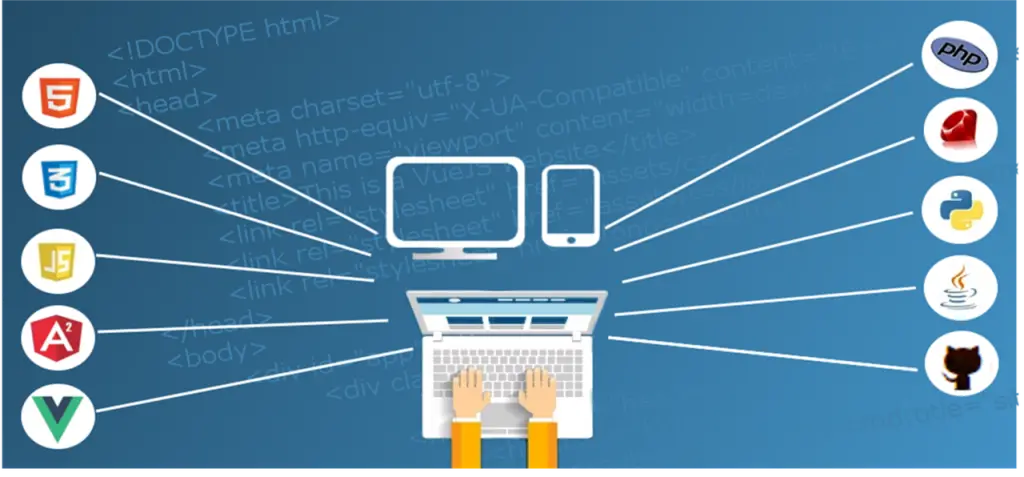
Full stack web development refers to the practice of working on both the client-side (frontend) and server-side (backend) portions of web applications. A full stack developer possesses the technical skills to build complete web applications from scratch, managing databases, servers, system engineering, and client-facing interfaces seamlessly.
Essential Frontend Technologies Every Developer Must Learn
HTML5: The Foundation of Web Development
HTML5 remains the cornerstone of web development, providing the structural framework for every website on the internet. Modern HTML5 introduces semantic elements that improve accessibility and search engine optimization. Understanding proper HTML structure, including meta tags, schema markup, and semantic elements like header, nav, article, and footer, is crucial for building professional websites.
CSS3 and Advanced Styling Techniques
Cascading Style Sheets (CSS) have evolved dramatically with CSS3, offering developers powerful tools for creating responsive and visually stunning interfaces. Modern CSS frameworks and methodologies include:
CSS Flexbox and Grid Layouts: These layout systems revolutionize how developers structure web pages, providing flexible and responsive design patterns that adapt seamlessly across different screen sizes and devices.
CSS Preprocessors: Tools like SASS, LESS, and Stylus extend CSS functionality, allowing developers to use variables, nesting, mixins, and functions. This makes stylesheets more maintainable and scalable for large projects.
Responsive Web Design: With mobile devices accounting for over 60% of web traffic, mastering responsive design principles using media queries, flexible grids, and mobile-first approaches is non-negotiable for modern developers.
JavaScript: The Programming Language of the Web
JavaScript powers the interactive elements of modern websites and has become essential for both frontend and backend development. Key JavaScript concepts include:
ES6+ Features: Modern JavaScript includes arrow functions, destructuring, template literals, promises, async/await, and modules. These features make code more readable and maintainable.
DOM Manipulation: Understanding how to dynamically manipulate HTML and CSS through JavaScript enables developers to create interactive user experiences without page reloads.
Popular JavaScript Frameworks: React, Vue.js, and Angular dominate the frontend landscape. React's component-based architecture and virtual DOM make it particularly popular for building scalable single-page applications.
Backend Development: Server-Side Programming Essentials
Python for Web Development
Python has emerged as one of the most versatile programming languages for web development. Its clean syntax and extensive library ecosystem make it ideal for beginners and professionals alike.
Django Framework: Django is a high-level Python web framework that encourages rapid development and clean, pragmatic design. It includes built-in features for authentication, database management, and admin interfaces, making it perfect for building secure and scalable web applications.
Flask Framework: For developers who prefer lightweight solutions, Flask offers a minimalist approach to web development. Its flexibility allows developers to choose their tools and libraries, making it ideal for microservices and API development.
FastAPI: This modern framework combines Python's simplicity with high performance, making it excellent for building RESTful APIs with automatic documentation generation.
Java and Enterprise Web Development
Java remains a powerhouse in enterprise web development, powering countless mission-critical applications worldwide. Key Java technologies include:
Spring Boot: This framework simplifies Java application development by providing production-ready features out of the box, including embedded servers, security configurations, and database connectivity.
Java Servlets and JSP: Understanding these fundamental technologies helps developers build dynamic web content and handle HTTP requests efficiently.
Node.js and JavaScript Backend Development
Node.js enables developers to use JavaScript for server-side programming, creating a unified development experience across the entire stack.
Express.js: This minimal and flexible Node.js framework provides robust features for web and mobile applications, including routing, middleware support, and template engines.
RESTful API Development: Building scalable APIs that follow REST principles is essential for modern web applications that serve multiple clients, including web browsers, mobile apps, and third-party integrations.
Database Management for Web Developers
SQL Databases
Relational databases remain fundamental for storing structured data. MySQL, PostgreSQL, and Microsoft SQL Server are industry standards that every full stack developer should understand.
Database Design Principles: Proper normalization, indexing strategies, and query optimization significantly impact application performance. Understanding relationships between tables, foreign keys, and join operations is crucial.
SQL Query Optimization: Writing efficient queries prevents performance bottlenecks in web applications. Techniques include using appropriate indexes, avoiding N+1 queries, and implementing query caching strategies.
NoSQL Databases
MongoDB, Redis, and Cassandra offer flexible schema designs ideal for handling unstructured data and high-traffic applications.
MongoDB: This document-oriented database stores data in JSON-like formats, making it natural for JavaScript developers. Its horizontal scaling capabilities make it popular for modern web applications.
Redis: Often used for caching and session management, Redis provides lightning-fast data access through in-memory storage, significantly improving application performance.
Version Control and Collaboration Tools
Git and GitHub Mastery
Git has become the industry standard for version control, enabling developers to track changes, collaborate with teams, and maintain code history effectively.
Git Workflows: Understanding branching strategies like GitFlow, feature branches, and pull request workflows is essential for professional development environments.
GitHub Features: Beyond basic version control, GitHub offers issue tracking, project management, continuous integration pipelines, and collaborative code review tools that streamline development processes.
Web Development Best Practices and Security
Security Considerations for Web Applications
Security should never be an afterthought in web development. Common vulnerabilities include:
SQL Injection Prevention: Using parameterized queries and ORM frameworks protects databases from malicious SQL injection attacks that can compromise entire systems.
Cross-Site Scripting (XSS) Protection: Properly sanitizing user inputs and encoding outputs prevents attackers from injecting malicious scripts into web pages.
HTTPS and SSL Certificates: Implementing secure connections protects user data during transmission, which is also crucial for SEO rankings as search engines prioritize secure websites.
Authentication and Authorization: Implementing robust user authentication systems using JWT tokens, OAuth, or session-based authentication ensures that only authorized users access protected resources.
Performance Optimization Techniques
Website speed directly impacts user experience and search engine rankings. Optimization strategies include:
Code Minification and Bundling: Reducing file sizes and combining multiple files decreases load times significantly. Tools like Webpack and Parcel automate this process.
Image Optimization: Compressing images, using modern formats like WebP, and implementing lazy loading reduces bandwidth usage and improves page speed.
Content Delivery Networks (CDN): Distributing static assets across global servers ensures users receive content from geographically nearby locations, reducing latency.
Browser Caching: Configuring appropriate cache headers allows browsers to store static resources locally, eliminating unnecessary server requests on subsequent visits.
Responsive Web Design and Mobile-First Approach
Modern websites must function flawlessly across desktop computers, tablets, and smartphones. The mobile-first approach prioritizes mobile user experience, then progressively enhances features for larger screens.
CSS Media Queries: These allow developers to apply different styles based on device characteristics like screen width, resolution, and orientation.
Flexible Grid Systems: Frameworks like Bootstrap and Tailwind CSS provide pre-built responsive grid systems that adapt seamlessly across devices.
Touch-Friendly Interfaces: Designing for touch interactions requires larger click targets, appropriate spacing, and gesture support for mobile users.
Web Development Tools and IDEs
Code Editors and Integrated Development Environments
Visual Studio Code: This free, open-source editor has become the most popular choice among web developers, offering extensive plugin ecosystems, integrated terminal, and Git support.
JetBrains WebStorm: This professional IDE provides advanced features for JavaScript development, including intelligent code completion, refactoring tools, and built-in debugging capabilities.
Browser Developer Tools
Modern browsers include sophisticated developer tools for debugging, performance profiling, and testing responsive designs. Chrome DevTools, Firefox Developer Edition, and Safari Web Inspector help developers identify and fix issues efficiently.
Career Opportunities in Web Development
The demand for skilled web developers continues to outpace supply, creating excellent career opportunities with competitive salaries. Full stack developers command premium compensation due to their versatile skill sets.
Freelancing Opportunities: Many developers build successful freelance careers, working on diverse projects for clients worldwide through platforms like Upwork, Freelancer, and Toptal.
Remote Work Possibilities: Web development is inherently remote-friendly, allowing developers to work from anywhere with an internet connection, providing excellent work-life balance.
Startup Environment: Join innovative startups where developers often wear multiple hats, gaining exposure to various technologies and business aspects while potentially earning equity compensation.
Enterprise Positions: Large corporations offer stable employment, comprehensive benefits, and opportunities to work on large-scale applications serving millions of users.
Learning Resources and Continuous Education
Web development evolves rapidly, requiring developers to commit to lifelong learning. Valuable resources include:
Online Learning Platforms: Udemy, Coursera, Pluralsight, and freeCodeCamp offer structured courses covering all aspects of web development from beginner to advanced levels.
Documentation and Official Guides: MDN Web Docs, official framework documentation, and language specifications provide authoritative information directly from creators.
Developer Communities: Stack Overflow, Reddit's programming communities, and Discord servers connect developers worldwide, facilitating knowledge sharing and problem-solving.
Technical Blogs and Tutorials: Following industry experts on platforms like Dev.to, Medium, and personal blogs keeps developers updated on best practices and emerging trends.
Conclusion: Your Path to Becoming a Full Stack Developer
Mastering full stack web development requires dedication, continuous learning, and practical experience. Start with HTML, CSS, and JavaScript fundamentals, then progressively add backend technologies, database management, and deployment skills to your toolkit.
Build real projects, contribute to open-source software, and create a professional portfolio showcasing your abilities. The combination of frontend aesthetics and backend functionality makes full stack developers invaluable in today's digital economy.
Whether you're beginning your programming journey or transitioning from another field, web development offers rewarding career opportunities with the flexibility to specialize in areas matching your interests and strengths. The investment in learning these skills pays dividends through lucrative job prospects, creative satisfaction, and the ability to bring ideas to life on the internet.
Start your full stack web development journey today, and join the millions of developers building the future of the internet, one line of code at a time.