Ultimate Cloud Hosting Comparison Guide 2025: AWS vs Azure vs Google Cloud Platform
Understanding Cloud Hosting Solutions for Modern Businesses
Cloud hosting has revolutionized how businesses deploy, manage, and scale their web applications and infrastructure. As organizations migrate from traditional on-premises servers to cloud-based solutions, understanding the differences between major cloud providers becomes critical for making informed decisions that impact performance, costs, and long-term scalability.
What is Cloud Hosting and Why Your Business Needs It
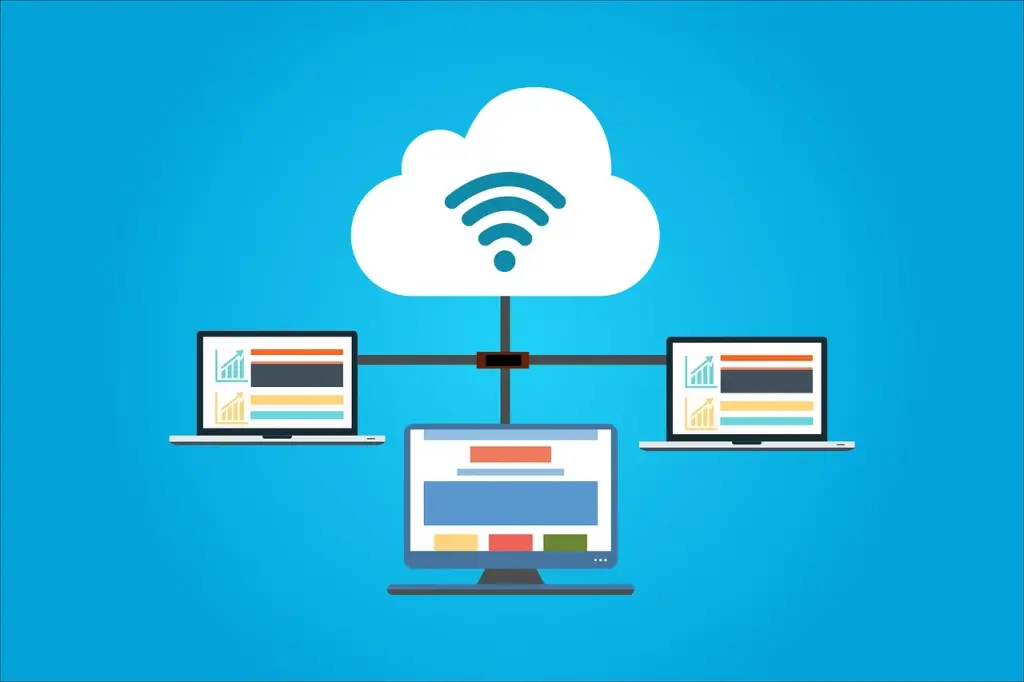
Cloud hosting utilizes virtual servers that pull resources from extensive underlying networks of physical web servers. Unlike traditional hosting where websites reside on single servers, cloud hosting distributes data across multiple interconnected servers, providing unprecedented reliability, flexibility, and scalability.
Benefits of Cloud Hosting:
The advantages of cloud infrastructure extend far beyond simple website hosting. Organizations gain access to enterprise-grade resources without massive capital expenditures, paying only for resources they actually consume. This operational expenditure model transforms IT budgeting, allowing businesses to scale resources dynamically based on demand fluctuations.
Cloud platforms provide automatic backups, disaster recovery capabilities, and geographic redundancy that would be prohibitively expensive to implement independently. When one server experiences issues, traffic automatically redirects to healthy servers, ensuring continuous availability for mission-critical applications.
Security represents another compelling advantage, as major cloud providers invest billions in physical security, network protection, and compliance certifications. These providers maintain security teams larger than most organizations' entire IT departments, constantly monitoring and defending against emerging threats.
Amazon Web Services (AWS): The Cloud Computing Pioneer
Amazon Web Services dominates the cloud computing market with approximately 32% market share, offering the most comprehensive suite of cloud services available. AWS pioneered many cloud concepts that competitors later adopted, establishing industry standards for cloud infrastructure.
AWS Core Services and Features
EC2 (Elastic Compute Cloud): This foundational service provides resizable compute capacity in the cloud, allowing developers to launch virtual servers within minutes. EC2 instances come in numerous configurations optimized for different workloads, from memory-intensive databases to GPU-accelerated machine learning applications.
S3 (Simple Storage Service): AWS S3 revolutionized cloud storage, offering virtually unlimited object storage with industry-leading durability of 99.999999999%. Organizations use S3 for everything from static website hosting to data lakes storing petabytes of information for big data analytics.
RDS (Relational Database Service): This managed database service simplifies database administration, handling routine tasks like backups, patching, and replication automatically. RDS supports multiple database engines including MySQL, PostgreSQL, Oracle, and SQL Server, making migration straightforward for existing applications.
Lambda Serverless Computing: AWS Lambda enables developers to run code without provisioning servers, automatically scaling from a few requests per day to thousands per second. This serverless architecture eliminates infrastructure management overhead while reducing costs through precise per-execution billing.
CloudFront CDN: Amazon's content delivery network distributes content globally across 400+ edge locations, dramatically reducing latency for users worldwide. CloudFront integrates seamlessly with other AWS services, providing comprehensive solutions for video streaming, API acceleration, and website delivery.
AWS Pricing Structure and Cost Optimization
AWS employs a pay-as-you-go pricing model with various pricing options designed to reduce costs for different usage patterns. On-Demand instances provide maximum flexibility, charging by the hour or second with no long-term commitments. Reserved Instances offer up to 75% discounts for customers committing to one or three-year terms, ideal for predictable workloads.
Spot Instances allow bidding on unused AWS capacity at up to 90% discounts, perfect for fault-tolerant applications like batch processing, data analysis, and containerized workloads. Organizations combining these pricing models strategically can achieve significant cost savings while maintaining performance requirements.
AWS Cost Management Tools: Services like AWS Cost Explorer, Budgets, and Trusted Advisor help organizations monitor spending, identify optimization opportunities, and implement cost controls. Setting up proper tagging strategies and utilizing AWS Organizations enables granular cost allocation across departments and projects.
Microsoft Azure: Enterprise Cloud Integration Leader
Microsoft Azure holds approximately 23% of the cloud market, positioning itself as the premier choice for enterprises heavily invested in Microsoft technologies. Azure's seamless integration with Windows Server, Active Directory, Office 365, and other Microsoft products creates compelling value propositions for organizations already using these tools.
Azure Platform Services and Capabilities
Azure Virtual Machines: Similar to AWS EC2, Azure VMs provide on-demand computing resources with extensive configuration options. Azure particularly excels in Windows Server workloads, offering licensing benefits through Azure Hybrid Benefit that can reduce costs by up to 80% for existing Windows Server license holders.
Azure App Service: This fully managed platform enables developers to build, deploy, and scale web applications and APIs quickly. Supporting multiple programming languages including .NET, Java, Node.js, Python, and PHP, App Service handles infrastructure management, allowing developers to focus purely on application code.
Azure SQL Database: Microsoft's managed relational database service offers the power of SQL Server without administrative overhead. Built-in intelligence continuously monitors database performance, automatically tuning queries and indexes to optimize performance without manual intervention.
Azure Kubernetes Service (AKS): This managed container orchestration service simplifies deploying and managing containerized applications at scale. AKS handles critical tasks like health monitoring, maintenance, and upgrades, allowing development teams to focus on application development rather than cluster management.
Azure Active Directory: Azure AD provides enterprise-grade identity and access management, integrating seamlessly with on-premises Active Directory deployments. Single sign-on capabilities, multi-factor authentication, and conditional access policies strengthen security while improving user experience.
Azure Hybrid Cloud Capabilities
Azure's hybrid cloud approach stands out as its most distinctive feature, enabling organizations to seamlessly extend on-premises infrastructure into the cloud. Azure Stack brings Azure services into private data centers, creating consistent development and operational experiences across hybrid environments.
Organizations can implement hybrid solutions gradually, moving workloads to the cloud at their own pace while maintaining integration with existing infrastructure. This flexibility proves invaluable for industries with regulatory requirements mandating on-premises data storage or organizations with significant existing infrastructure investments.
Azure Pricing and Cost Management
Azure pricing follows similar consumption-based models as AWS, with additional discounts through Azure Reservations and Hybrid Benefit programs. The Azure Pricing Calculator helps estimate costs before deployment, while Azure Cost Management provides detailed insights into actual spending patterns.
Azure offers unique advantages for organizations with existing Microsoft Enterprise Agreements, often including Azure credits and discounted pricing. These monetary commitments can significantly reduce cloud costs for enterprises already partnered with Microsoft.
Google Cloud Platform (GCP): Innovation and Data Analytics Excellence
Google Cloud Platform commands approximately 11% of the cloud market, leveraging Google's expertise in data analytics, machine learning, and global infrastructure. GCP appeals particularly to organizations prioritizing data science, artificial intelligence, and modern application architectures.
GCP Services and Unique Offerings
Compute Engine: Google's infrastructure as a service offering provides high-performance virtual machines running on Google's innovative infrastructure. Compute Engine's live migration technology moves running instances between hosts without rebooting, maintaining availability during infrastructure maintenance.
Google Kubernetes Engine (GKE): Google invented Kubernetes, making GKE the most mature and feature-rich managed Kubernetes service available. Organizations adopting containerized architectures often choose GCP specifically for GKE's superior Kubernetes capabilities and integration with Google's container registry and monitoring tools.
BigQuery: This serverless, highly scalable data warehouse enables super-fast SQL queries using Google's processing power. BigQuery's ability to analyze petabytes of data in seconds revolutionizes business intelligence, eliminating traditional data warehouse limitations and costs.
Cloud AI and Machine Learning Services: Google's leadership in artificial intelligence manifests through comprehensive machine learning services. TensorFlow integration, pre-trained models for vision, language, and structured data, and AutoML capabilities democratize machine learning for organizations without extensive data science expertise.
Firebase: This mobile and web application development platform provides backend services, easy-to-use SDKs, and ready-made UI libraries. Firebase handles authentication, databases, storage, and hosting, accelerating development timelines for startups and enterprises alike.
GCP Network Infrastructure Advantages
Google operates one of the world's largest and fastest networks, investing billions in submarine cables and global infrastructure. This network superiority translates into lower latency and better performance for applications with global user bases. GCP's premium network tier routes traffic across Google's private network rather than the public internet, significantly improving reliability and speed.
Google Cloud Pricing and Sustained Use Discounts
GCP distinguishes itself through sustained use discounts that automatically apply without requiring upfront commitments. Running instances for significant portions of the month automatically triggers discounts up to 30%, rewarding consistent usage without complex reservation management.
Committed use contracts provide additional discounts up to 57% for workloads requiring predictable resources over extended periods. GCP's per-second billing granularity ensures you only pay for precise resource consumption, potentially saving costs compared to hourly billing competitors.
Cloud Hosting Comparison: Performance Benchmarks
Performance varies significantly based on specific services, regions, and configurations, making generalized comparisons challenging. However, independent benchmarks reveal consistent patterns across providers.
Compute Performance: AWS and GCP generally lead in raw compute performance for CPU-intensive workloads, while Azure excels in Windows-based applications. All three providers offer specialized instance types optimized for specific workloads like memory-intensive databases, GPU computing, or storage-optimized applications.
Network Performance: Google Cloud consistently demonstrates superior network performance and lower latency for global applications, leveraging Google's extensive private network infrastructure. AWS's global presence provides excellent performance through sheer scale, while Azure's extensive network delivers strong performance particularly for Microsoft-integrated workloads.
Database Performance: Performance depends heavily on specific database engines and configurations. AWS RDS offers the broadest engine support, Azure SQL Database provides unmatched SQL Server compatibility and performance, while Google Cloud SQL excels at PostgreSQL and MySQL workloads.
Security and Compliance Considerations
All major cloud providers invest heavily in security, obtaining certifications for various compliance frameworks including HIPAA, PCI DSS, SOC 2, ISO 27001, and numerous regional regulations. However, security implementation details and available features differ.
AWS Security Services: AWS offers the most comprehensive security toolset, including GuardDuty for threat detection, Shield for DDoS protection, WAF for web application security, and Secrets Manager for credential management. The extensive third-party security tool marketplace provides additional specialized solutions.
Azure Security Features: Azure Security Center provides unified security management and advanced threat protection across hybrid cloud environments. Azure Sentinel delivers cloud-native SIEM capabilities, while Azure AD's conditional access policies enable sophisticated zero-trust security models.
Google Cloud Security: GCP emphasizes security through infrastructure design, with features like automatic encryption of data at rest and in transit. Chronicle, Google's cloud-native security analytics platform, leverages Google's expertise in processing massive datasets to identify threats rapidly.
Choosing the Right Cloud Provider for Your Needs
Selecting the optimal cloud provider requires careful evaluation of technical requirements, existing technology investments, team expertise, and long-term strategic goals.
Choose AWS if: Your organization values the most extensive service catalog, requires specialized services not available elsewhere, or benefits from AWS's mature ecosystem and largest community. AWS's market dominance ensures abundant documentation, tutorials, and experienced professionals.
Choose Azure if: Your organization uses Microsoft technologies extensively, requires seamless hybrid cloud capabilities, or already maintains Microsoft Enterprise Agreements. Azure's Windows Server licensing benefits and Active Directory integration provide compelling value for Microsoft-centric environments.
Choose Google Cloud if: Your organization prioritizes data analytics, machine learning, or modern containerized architectures. GCP's BigQuery and Kubernetes leadership, combined with innovative pricing models and superior network infrastructure, appeals to data-driven and developer-focused organizations.
Multi-Cloud and Hybrid Cloud Strategies
Progressive organizations increasingly adopt multi-cloud strategies, leveraging multiple providers to avoid vendor lock-in, optimize costs, and access best-of-breed services. Kubernetes facilitates multi-cloud architectures by providing consistent container orchestration across providers.
Hybrid cloud deployments combine on-premises infrastructure with public cloud resources, enabling organizations to maintain sensitive data locally while leveraging cloud scalability for other workloads. All three major providers offer hybrid solutions, though Azure's hybrid capabilities currently lead the market.
Cloud Migration Best Practices
Successful cloud migrations require careful planning, phased approaches, and comprehensive testing. Organizations should begin by assessing their entire application portfolio, identifying suitable candidates for migration based on dependencies, compliance requirements, and technical constraints.
The Six Rs of Cloud Migration: Rehost (lift-and-shift) moves applications without modifications, providing quick migrations with minimal risk. Replatform makes minor optimizations without changing core architecture. Refactor rebuilds applications to fully leverage cloud-native features. Repurchase switches to SaaS alternatives. Retire eliminates unused applications. Retain keeps applications on-premises temporarily or permanently.
Starting with non-critical applications allows teams to develop cloud expertise before migrating mission-critical systems. Implementing proper monitoring, backup strategies, and disaster recovery plans before migration reduces risk and ensures business continuity.
Future Trends in Cloud Hosting
Cloud computing continues evolving rapidly, with several trends shaping the future landscape. Edge computing brings processing closer to data sources, reducing latency for IoT and real-time applications. Serverless architectures gain adoption, abstracting infrastructure management while reducing costs. Artificial intelligence integration becomes ubiquitous, with cloud providers embedding machine learning capabilities throughout their service portfolios.
Sustainability concerns drive providers toward carbon-neutral operations, with Google Cloud achieving 100% renewable energy matching and Microsoft committing to carbon negative status by 2030. These environmental commitments increasingly influence purchasing decisions as organizations prioritize sustainability.
Conclusion: Making Your Cloud Hosting Decision
Choosing between AWS, Azure, and Google Cloud requires thorough evaluation of your specific requirements, existing technology stack, team capabilities, and strategic direction. Each provider offers world-class infrastructure capable of supporting virtually any workload, with differences manifesting in specific services, pricing models, and ecosystem integration.
Start with pilot projects to gain hands-on experience with shortlisted providers before making long-term commitments. Leverage free tiers and credits that all providers offer for initial experimentation and proof-of-concept development. Consider engaging cloud consultants or managed service providers if internal expertise is limited.
The cloud hosting decision significantly impacts application performance, development velocity, operational costs, and long-term flexibility. Investing time in thorough evaluation and strategic planning ensures you select the provider best aligned with your organization's needs and goals, establishing a solid foundation for digital transformation and future growth.